
Varanasi Student/College Trip Package – Private , Varanasi isn’t just another tourist destination—it’s a living classroom where history, spirituality, culture, and philosophy converge in ways textbooks can never capture. For students and college groups, a private Varanasi trip package offers the perfect blend of educational enrichment, cultural immersion, adventure, and affordable group travel that creates memories lasting far beyond graduation.
Varanasi Student/College Trip Package – Private , Whether you’re a history student wanting to walk through India’s oldest continuously inhabited city, a philosophy major seeking to understand ancient spiritual traditions, a photography enthusiast capturing timeless moments, or simply a group of friends wanting an authentic Indian experience, a student-focused private package provides structured yet flexible exploration perfectly suited to young travelers’ energy, curiosity, and budget constraints.
Varanasi Student/College Trip Package – Private , Private packages for student groups (typically 8-20 students) offer tremendous advantages over public tours—customized itineraries matching your academic interests, pace suited to energetic young travelers, budget flexibility allowing smart choices, and the camaraderie of experiencing this profound city with peers who’ll share these memories forever.

Why Varanasi Is Perfect for Student Groups
Living History: Varanasi has been continuously inhabited for over 3,000 years. Walking these streets means treading paths used by Buddha, ancient philosophers, saints, and scholars throughout millennia. History isn’t relegated to museums—it’s alive in the architecture, rituals, and daily life unfolding before you.
Spiritual and Philosophical Depth: For students of religion, philosophy, or sociology, Varanasi provides unparalleled field study. Witness Hindu rituals unchanged for centuries, understand concepts of dharma and moksha through lived practice, and engage with spiritual seekers from around the world.
Cultural Immersion: Experience authentic Indian culture—the food, music, languages, social dynamics, and daily rhythms. This isn’t sanitized tourism but genuine immersion in how millions of Indians live and practice their faith.
Photography and Art Opportunities: The ghats, temples, narrow lanes, ceremonies, and faces of Varanasi provide endless creative inspiration. Student artists and photographers find Varanasi a visual feast.
Adventure and Novelty: For many students, especially international ones, Varanasi represents adventure—navigating chaotic streets, tasting unfamiliar foods, witnessing intense spiritual practices, and simply surviving the sensory overload becomes an adventure story you’ll tell for years.
Affordability: Compared to European or American destinations, Varanasi offers incredible value. Student budgets stretch far here, allowing experiences that would cost exponentially more elsewhere.
Peer Bonding: Shared intense experiences—whether awe at sunrise on the Ganges, shock at cremation ghats, or laughter navigating chaotic markets—create bonds that transform classmates into lifelong friends.
Student-Optimized 3-Day Itinerary
Day 1: Arrival and Evening Introduction
Afternoon: Arrive Varanasi via train or budget flight. Private tempo traveller (accommodating 12-15 students) picks up the group. Check into budget-friendly group accommodation (hostels or budget hotels with dormitory-style rooms or triple/quad sharing to minimize costs). Rest and freshen up.
Late Afternoon: Orientation walk through old city lanes—your first taste of Varanasi’s intensity. Navigate the labyrinthine alleys, observe daily life, stop at chai stalls (₹10-20 per cup—perfect budget experience), and reach the ghats.
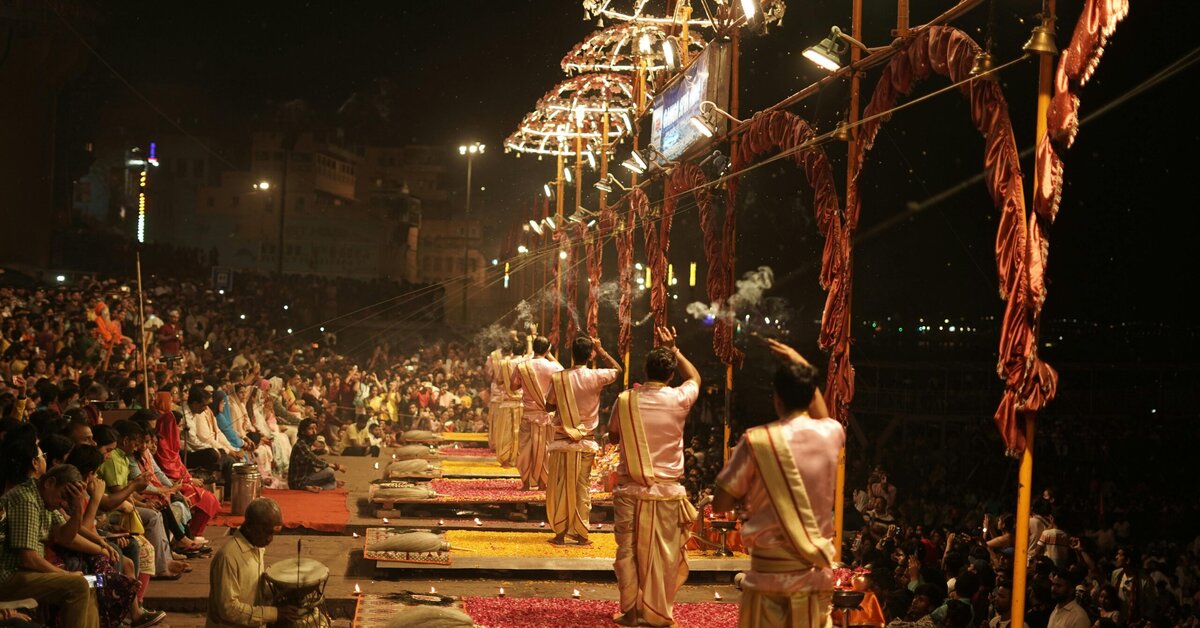
Evening: Witness Ganga Aarti from the ghat (free, though you can pay ₹200-300 for boat viewing if budget allows). The spectacle provides the perfect introduction to Varanasi’s spiritual atmosphere. Group dinner at budget-friendly vegetarian restaurant (₹150-250 per person).
Day 2: Full Immersion Experience
5:30 AM: Early wake-up (easier for students than older travelers). Board multiple private boats (₹300-500 per boat accommodating 6-8 students) for sunrise on the Ganges. This isn’t optional—it’s the quintessential Varanasi experience. Watch morning rituals, observe cremation ghats, and experience the city awakening.
8:00 AM: Return for breakfast at accommodation or local eatery (₹100-150 per person).
9:30 AM: Visit Kashi Vishwanath Temple area. Students can observe (non-Hindus may not enter inner sanctum) the devotional fervor and architectural beauty. Explore surrounding lanes—silk shops, sweet vendors, spiritual paraphernalia.
12:00 PM: Lunch at local restaurant. Try traditional thali (₹120-200)—authentic, filling, and budget-friendly.
1:30 PM: Sarnath excursion—the Buddhist site where Buddha gave his first sermon. The archaeological museum (₹25 entry for Indians, ₹500 for foreigners) houses incredible artifacts. The peaceful atmosphere provides welcome contrast to Varanasi’s intensity. Educational value is immense for history and religion students.
5:00 PM: Return to Varanasi. Free time for shopping (Varanasi silk, spiritual items, handicrafts), exploring independently in small groups, or resting.
7:00 PM: Group dinner followed by optional street food tour (budding foodies can try kachori, chaat, lassi—₹50-150 per person). Or free evening for personal exploration.
Day 3: Cultural Deep Dive and Departure
Morning: Choose-your-own-adventure based on group interests:
- Cultural Option: Visit Banaras Hindu University (BHU) campus, one of India’s premier universities. Beautiful architecture, interesting museums, and the modern Vishwanath Temple.
- Artistic Option: Silk weaving workshop visit seeing traditional Banarasi silk production. Photography students capture artisans at work.
- Spiritual Option: Morning yoga session on the ghats or meditation at a peaceful ashram.
Midday: Final shopping, last chai at favorite spot, packing up.
Afternoon: Checkout and departure. Vehicle drops group at railway station or airport. Journey home filled with stories and photos.
Budget Breakdown for Student Groups
Super Budget Package (₹3,000-4,500 per student, 3 days, group of 12+):
- Basic hostel dormitory accommodation (₹300-500 per night per person)
- Shared tempo traveller for all transportation
- Group boat rides (shared boats, not private)
- Basic meals included (simple breakfast and some dinners)
- Entry fees to Sarnath
- Total: ₹3,000-4,500 per person
Standard Student Package (₹5,000-7,000 per student, 3 days, group of 12+):
- Budget hotel with triple/quad sharing (₹600-900 per night per person)
- Private tempo traveller for group
- Private boat rides for sunrise and Aarti
- Most meals included
- Entry fees and basic guide services
- Total: ₹5,000-7,000 per person
Premium Student Package (₹8,000-11,000 per student, 3 days, group of 10+):
- Decent hotel with twin sharing (₹1,200-1,800 per night per person)
- Private AC tempo traveller or multiple SUVs
- Private boats with cushioned seating
- All meals at quality restaurants
- Professional English-speaking guide
- Cultural workshops (silk weaving, music)
- Total: ₹8,000-11,000 per person
What’s Excluded: Personal shopping, extra snacks/drinks, tips (₹500-700 per student for entire trip is customary), any alcohol (if of legal age), travel insurance.
Customization for Different Academic Interests
History/Archaeology Students: Extended Sarnath time, visits to lesser-known historical sites, museum focus, interactions with historians or archaeologists at BHU.
Religion/Philosophy Students: Meetings with pandits (Hindu scholars), visits to multiple temples with explanations of different traditions, attendance at philosophical discussions (satsangs) if available.
Photography/Film Students: Optimized timing for best light, access to unique vantage points, permissions for photography where needed, focus on visual storytelling opportunities.
Sociology/Anthropology Students: Interactions with local communities, understanding caste dynamics and social structures, observation of family and community rituals.
Business Students: Visits to silk industry businesses, understanding of religious tourism economics, interaction with entrepreneurs running guesthouses or tour companies.
Arts Students: Visits to artisan workshops (silk painting, pottery, music instrument makers), possible participation in craft creation.
Student-Specific Practical Considerations
Safety Protocols: Establish buddy systems (students travel in pairs minimum), group check-in times (everyone reports location via WhatsApp by set times), designated group leaders responsible for headcounts, emergency contact protocols, and clear rules about alcohol (avoid it—getting drunk in Varanasi creates safety and legal issues).
Budget Management: Collect money upfront from all students for group expenses, designate treasurer managing group funds, create shared expense tracker, and budget buffer (₹500-800 per student) for unexpected costs or opportunities.
Cultural Sensitivity Training: Brief students before the trip about appropriate dress (covering shoulders and knees for temples), respectful behavior at sacred sites (no loud talking, no photography where prohibited), understanding cremation ghats (extremely sensitive—no pointing or treating it as spectacle), tipping norms, and scam awareness.
Health Preparedness: Ensure all students have basic health insurance, create shared medical information list (allergies, conditions, medications), pack group first-aid kit, establish protocol for illness (student stays at accommodation with buddy while others continue activities), and educate about food safety (bottled water only, avoiding street food first day until acclimated).
Communication: Create group WhatsApp for coordination, establish wifi access points (hotels, some cafes), download offline maps, and consider local SIM cards for group leaders for emergency calls.
Booking and Organizing Your Student Trip
Student Group Coordinator Role: Designate one organized student (or team of 2-3) as coordinators who research operators, collect group consensus on preferences and budget, manage bookings and payments, communicate with operators, and handle day-to-day logistics during the trip.
Operator Selection: Look for tour operators experienced with student groups (they understand budget constraints and energy levels), check reviews specifically mentioning student groups, verify flexibility for customization, confirm payment terms (installments help students), and ensure 24/7 support availability.
Advance Planning Timeline: Begin planning 3-4 months before desired travel dates, finalize group size and collect commitments 2-3 months ahead, book packages and make advance payments 1.5-2 months prior, collect remaining payments and finalize details 3-4 weeks before, and conduct final meeting with all students one week before departure.
Fundraising Ideas: If budget is tight, organize fundraisers (bake sales, car washes, campus events), approach academic departments for educational trip support, seek sponsorships from local businesses (especially if creating documentary or research project), and consider crowdfunding platforms for international students.
Making It Educational Beyond Tourism
Pre-Trip Preparation: Assign research topics to different students (Varanasi history, Hindu philosophy, Buddhist sites, silk industry, etc.), require reading assignments about Indian culture and Hinduism/Buddhism basics, watch documentaries together, and discuss learning objectives.
During-Trip Engagement: Daily group reflection sessions (15-20 minutes each evening discussing what you learned), student-led mini-presentations at relevant sites, journaling requirements (helps process intense experiences), and photography/video documentation for later presentations.
Post-Trip Integration: Create group presentation or documentary about the trip, write reflective essays connecting experience to coursework, share photos and stories in campus presentation, and use experience as basis for research papers or creative projects.
Conclusion
A private Varanasi student package represents far more than a vacation—it’s an educational investment, a cultural awakening, and a bonding experience that shapes perspective and creates lifelong memories. The combination of affordability (especially for groups), profound educational value, intense cultural immersion, and sheer adventure makes Varanasi ideal for student travel.
Private packages offer the control, safety, and customization that student groups need while maintaining the budget consciousness that student travel requires. You’re not just tourists consuming experiences—you’re engaged learners witnessing one of humanity’s oldest and most fascinating civilizations, understanding spirituality and philosophy through lived practice, and challenging your assumptions about life, death, and meaning.
For many students, Varanasi becomes a transformative experience—the trip they reference years later as pivotal in their development. The city’s intensity, spirituality, and authenticity demand that you engage fully, think deeply, and open yourself to radical difference. That’s education at its finest—not memorizing facts but encountering realities that expand your understanding of what it means to be human.
FAQs
1. Our group has mixed budgets—some students can afford more, others are on tight budgets. How do we create a package everyone can participate in?
Design a tiered system with a mandatory base package covering essentials everyone shares (transportation, basic accommodation, major activities) at the lowest common denominator budget all can afford. Then offer optional add-ons students can individually choose: upgrade to better room (twin instead of quad sharing), premium meals at nicer restaurants, additional activities (cooking class, music performance), or extended boat rides. The base package might cost ₹4,000 per student for basic experience, with upgrades adding ₹1,000-3,000 for those who can afford them. This ensures everyone participates while respecting financial realities. Another approach: organize fundraising or subsidies where students with more resources contribute to a pool helping students with less afford the base package—many student groups successfully use this solidarity model.
2. Is Varanasi safe for groups of female students, or should we only go as mixed-gender groups?
All-female student groups successfully visit Varanasi regularly with appropriate precautions. Safety measures: travel as a group (minimum 8-10 students, never solo or pairs), stay in reputable accommodations with good security, use trusted operators with verified drivers, establish strict buddy systems, avoid wandering late at night (stay in accommodation or well-lit, populated areas after 9 PM), dress modestly (covering shoulders and knees always), and maintain confident, purposeful demeanor. India, including Varanasi, is generally safe for female tourists who take sensible precautions—the horror stories are outliers, not norms. That said, female groups benefit from extra vigilance that mixed groups also should practice. Some operators specialize in female group travel and provide additional security measures. The cultural richness and educational value of Varanasi shouldn’t be missed due to exaggerated fears, but realistic caution is wise.
3. We’re international students on student visas—are there any special permissions or documentation needed for a Varanasi trip?
For domestic travel within India, your student visa and passport are sufficient—no additional permits required for Varanasi (it’s not a restricted area). However, ensure: your student visa is valid for the travel dates, you carry your passport always (required for hotel check-ins and sometimes train/flight bookings), you have copies of important documents (visa, passport, university ID), your university knows about your travel (some universities require notification for student travel, especially international students), and you understand your visa conditions regarding travel within India (some student visas restrict certain activities or areas, though Varanasi isn’t typically restricted). For foreign nationals, Varanasi has no special entry restrictions beyond normal Indian visa requirements. Register with your embassy’s travel notification system if available. If part of an organized university program, coordinate with international student office for any required approvals.
4. How do we handle inevitable sickness (Delhi belly, food poisoning) when traveling as a student group on a tight schedule?
Illness is common for India first-timers—plan for it rather than hoping it won’t happen. Protocols: designate a “sick bay” at your accommodation where ill students rest with a healthy buddy staying with them, adjust schedule so sick students skip activities while healthy students continue (don’t cancel everything because 2-3 students are ill), pack comprehensive medicines (Imodium for diarrhea, oral rehydration salts, antibiotics if prescribed preventively, pain relievers), identify quality medical clinics at your destination beforehand (your operator can recommend), ensure sick students stay hydrated and rested, and establish that it’s okay to be sick—no pressure to “tough it out” making things worse. Most food-related illness resolves in 24-48 hours with rest and hydration. Prevention: drink only bottled water (brush teeth with bottled water too), avoid street food first 1-2 days until acclimated, eat at busy places with high turnover, and choose cooked foods over raw salads. Despite precautions, some students will get sick—it’s part of the India experience. Handle it with humor and care rather than drama.
5. Can we extend the package to include other nearby cities like Bodhgaya or Allahabad (Prayagraj), or does that make it too expensive and complicated for students?
Extensions are absolutely possible and popular with student groups. Bodhgaya (Buddha’s enlightenment site, 250 km from Varanasi) or Prayagraj (holy Sangam, 125 km from Varanasi) fit naturally into extended itineraries. A 5-day package might be: Day 1-2 Varanasi, Day 3 Bodhgaya, Day 4 Prayagraj, Day 5 return to Varanasi and depart. This adds approximately ₹2,000-3,500 per student to base 3-day Varanasi package (covering extra transportation, 2 additional nights accommodation, meals, and activities at additional cities). Whether this works depends on your total budget and time availability. For student groups, the educational value of seeing the complete Buddhist circuit (Varanasi-Sarnath-Bodhgaya) or the Hindu triangle (Varanasi-Ayodhya-Prayagraj) is significant, and the per-student cost remains manageable with group discounts. Discuss with operators—they’ll price extensions. Many student groups find the extra investment worthwhile for significantly expanded educational and cultural exposure. If budget is extremely tight, stick to 3 days Varanasi; if you can stretch budget and time, the 5-7 day extended circuit offers exponentially more value.




Comments are closed.